The universe is closer than you think.
Mary Astronomy is building telescopes you can use from anywhere, without owning one. Explore 100 objects and save the observations you want to make — booking telescope time opens once our first instrument is commissioned.
Creating an account is free. Observation booking is not open yet.
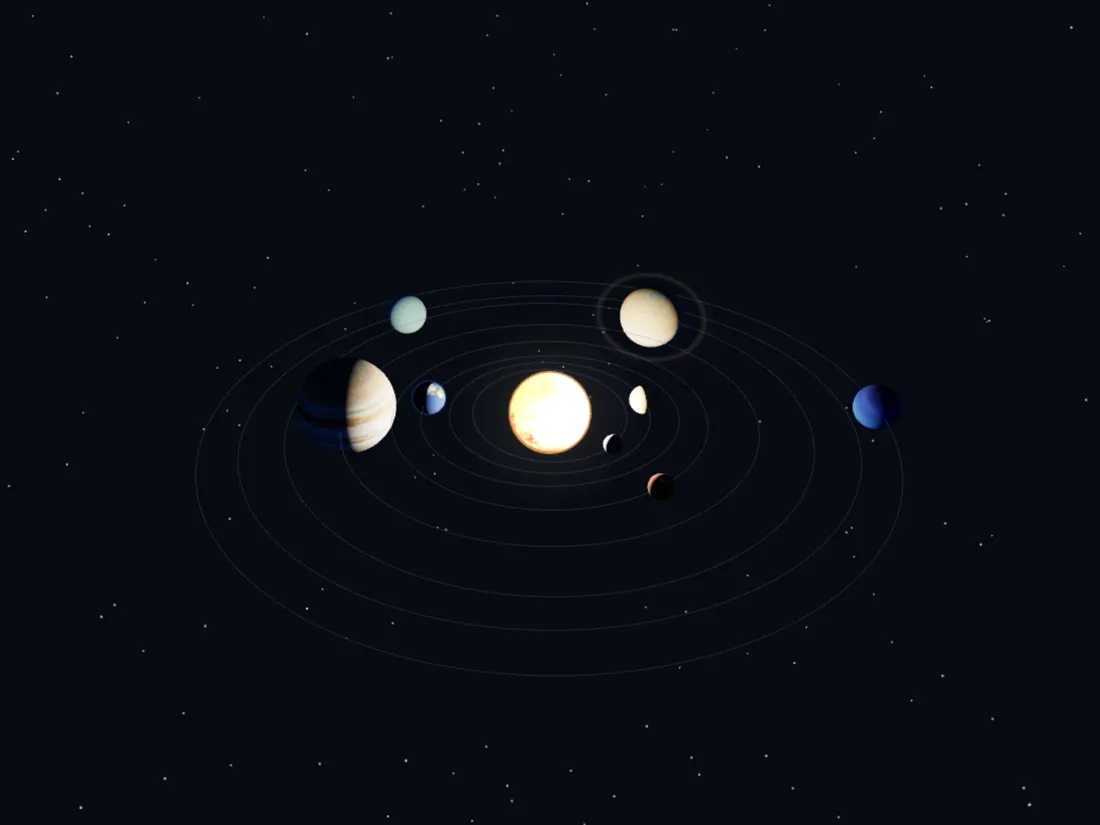
Illustrative Solar System — sizes, distances, and orbital speeds are compressed; positions are not live. Planetary maps: Solar System Scope (CC BY 4.0).
Start with something worth seeing
100 objects in the catalogue, each with what published catalogues record about it.
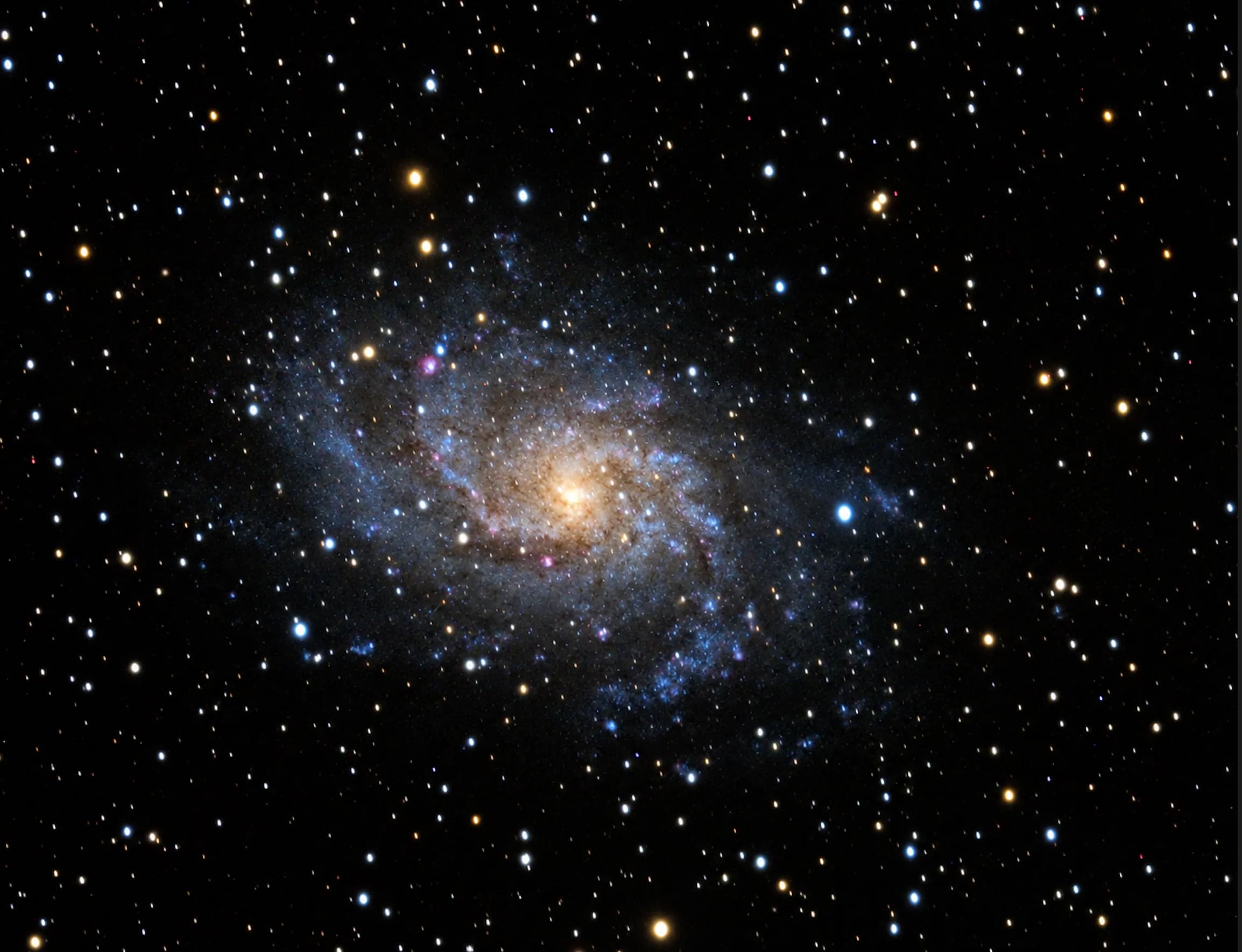
M 33
The Triangulum Galaxy
A whole spiral galaxy seen face-on, close enough that its individual star-forming regions show up as pink knots along the arms.
Spiral galaxy
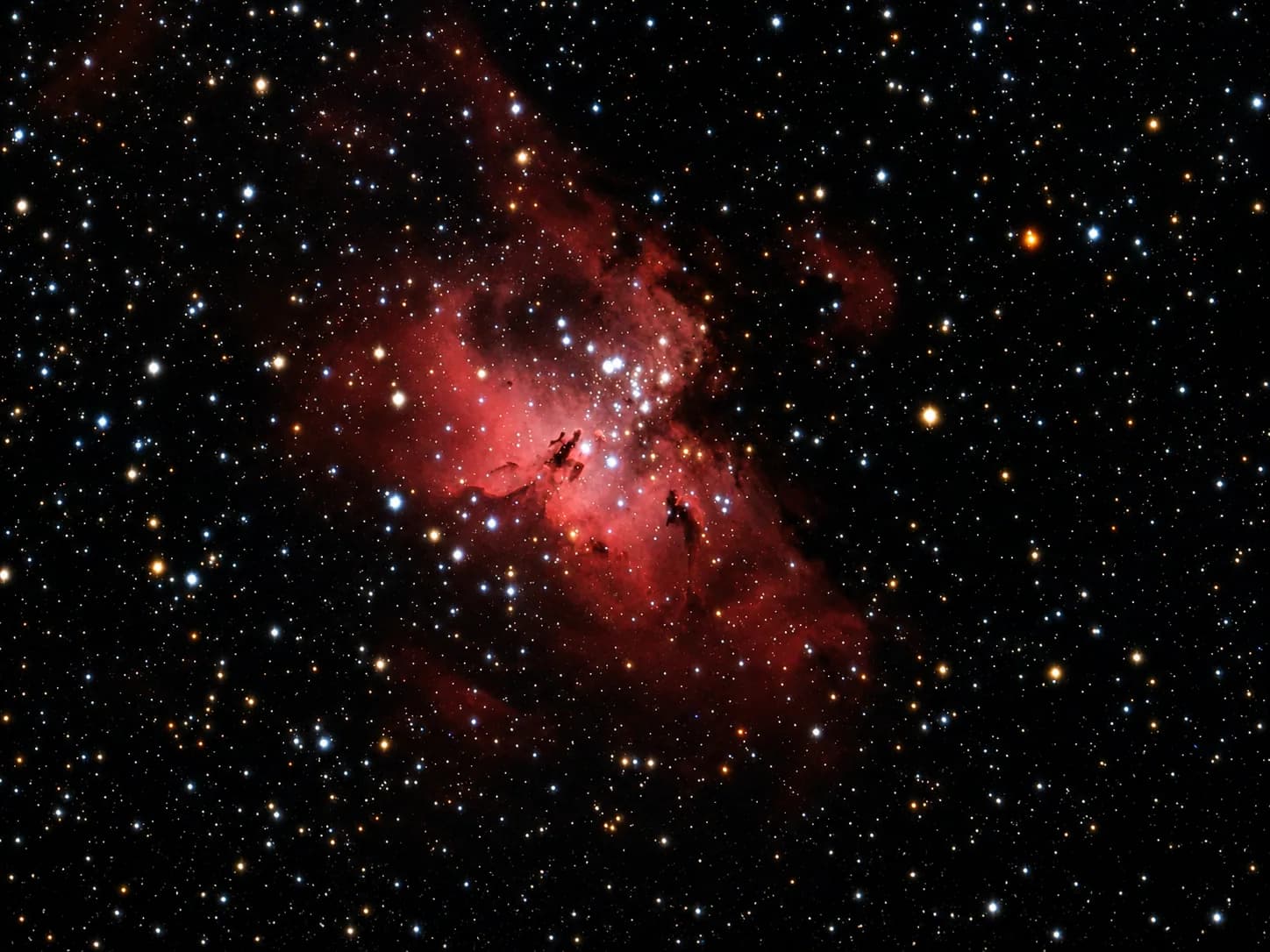
M 16
The Eagle Nebula
A nursery of new stars. The dark shapes near the middle are the dust pillars made famous by the Hubble Space Telescope.
Star-forming region
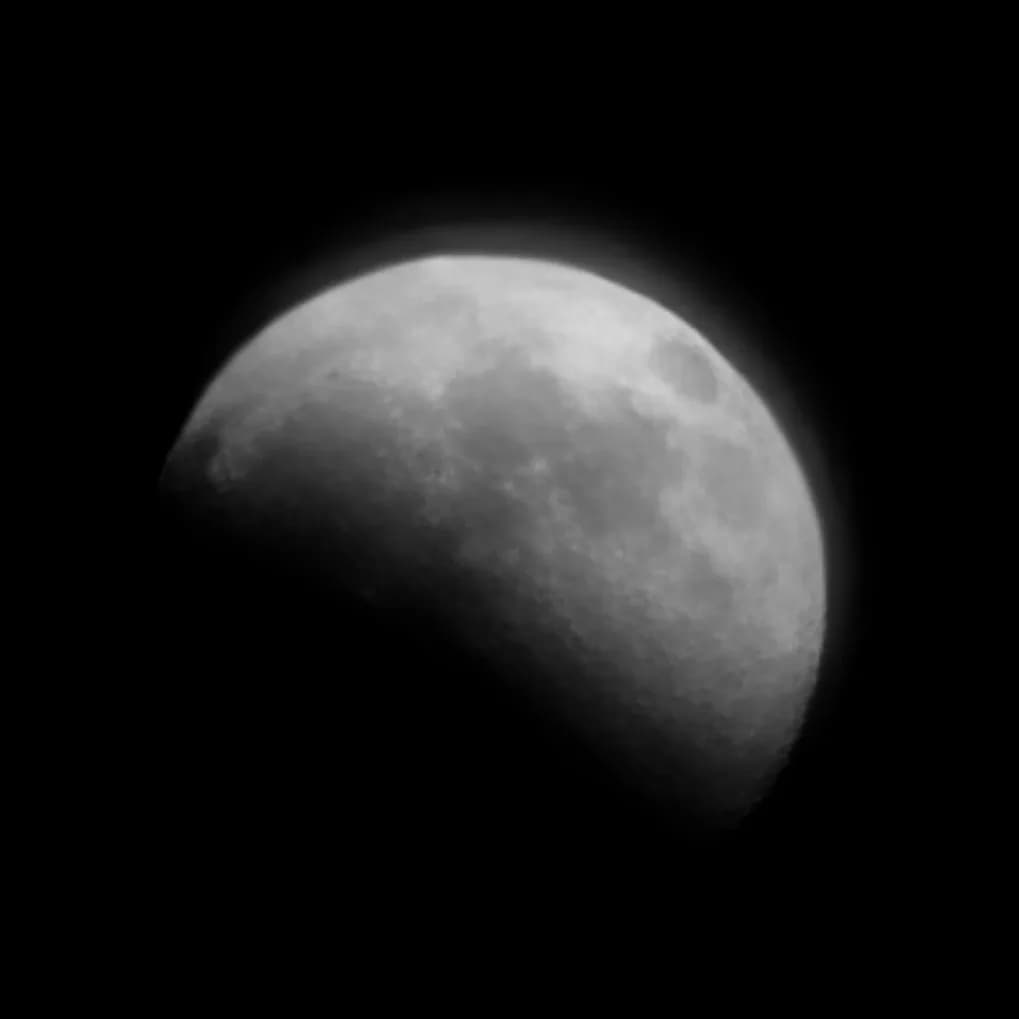
The Moon
The Moon
The nearest thing to point a telescope at, and the one target that never needs a dark sky.
Solar System
How it works
You do not need to own a telescope, and you do not need to stay awake for it.
Choose your target
Search the catalogue for a galaxy, a nebula or the Moon, and read what is known about it.
Plan your observation
Set how long to watch and how to expose it, or let a one-click recipe decide. Plans save to your account.
Explore your images
Once the first telescope is commissioned, your frames come back as files you keep.
One telescope first, then more
Mary Astronomy starts with a single instrument at a single dark-sky site. The platform is built to run several observatories because that is where it is going — not because it is there yet.
The first instrument is a ZWO Seestar S50 Pro. The first site is Death Valley Observatories, on the edge of Death Valley in the Mojave Desert.
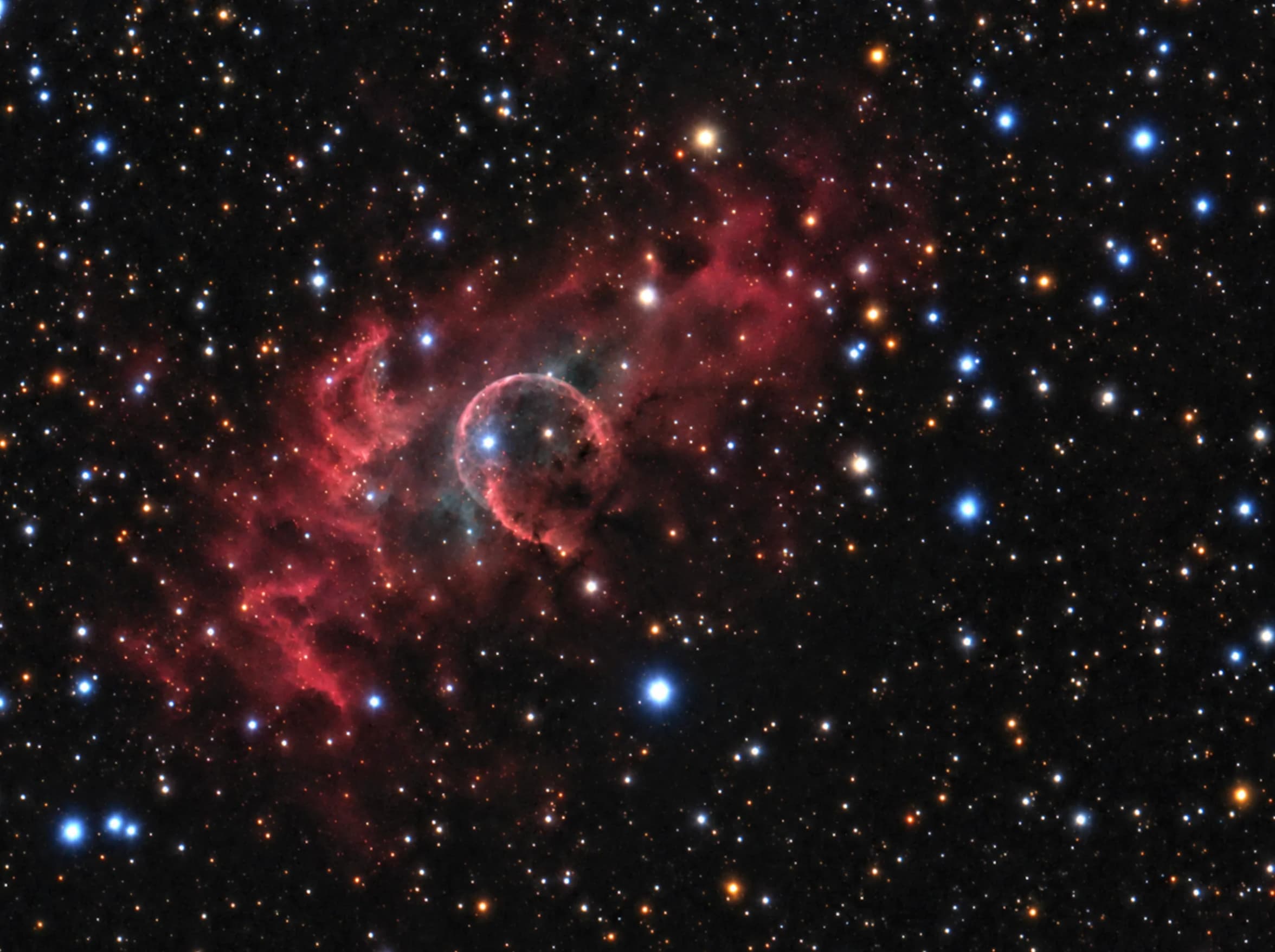
Learn how observing works
Short, plain explanations — written for beginners, and useful in a classroom.
- What happens when you book a telescopeFrom choosing a target to files landing in your account: the whole sequence, step by step.2 min read
- Why clouds cancel your booking, and what happens nextWeather is the one thing no telescope can work around. Here is how we handle it fairly.1 min read
- Reading your first astronomical imageWhat all those files are for, why the raw frames look disappointing, and what stacking actually does.1 min read